

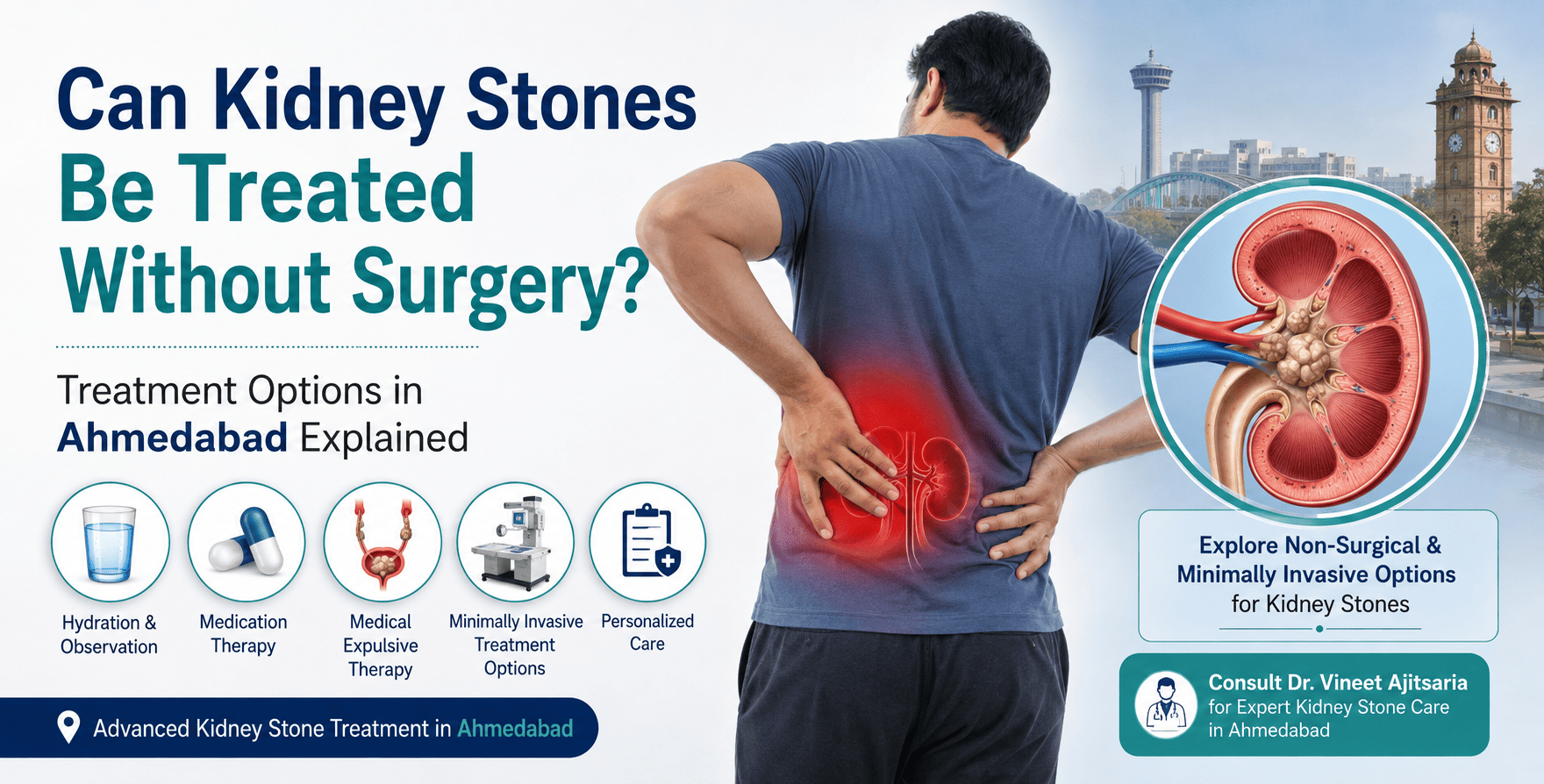
Kidney stones are a problem in the urinary system that can lead to sudden and intense pain in the lower back, belly or sides. Other signs might be pain while peeing needing to go feeling sick, throwing up and having blood in the urine. Some people think that kidney stones always need surgery. That is not always the case. Depending on how big the stone's where it is and what kind it is some stones can pass on their own or be treated without surgery or with small procedures.
When you are looking for Kidney Stone Treatment in Ahmedabad it is an idea to know what options are available. This way you can get the help you need when you need it. Dr. Vineet Ajitsaria takes the time to look at each Kidney Stone patient as an individual to figure out the way to treat their Kidney Stones. He wants to find the suitable approach, for managing Kidney Stones.
Can Kidney Stones Pass Naturally Without Surgery?
Yes small kidney stones can pass on their own through the tract without needing surgery. The chance that a kidney stone will pass naturally usually depends on how big the kidney stone's where the kidney stone is located in the body.
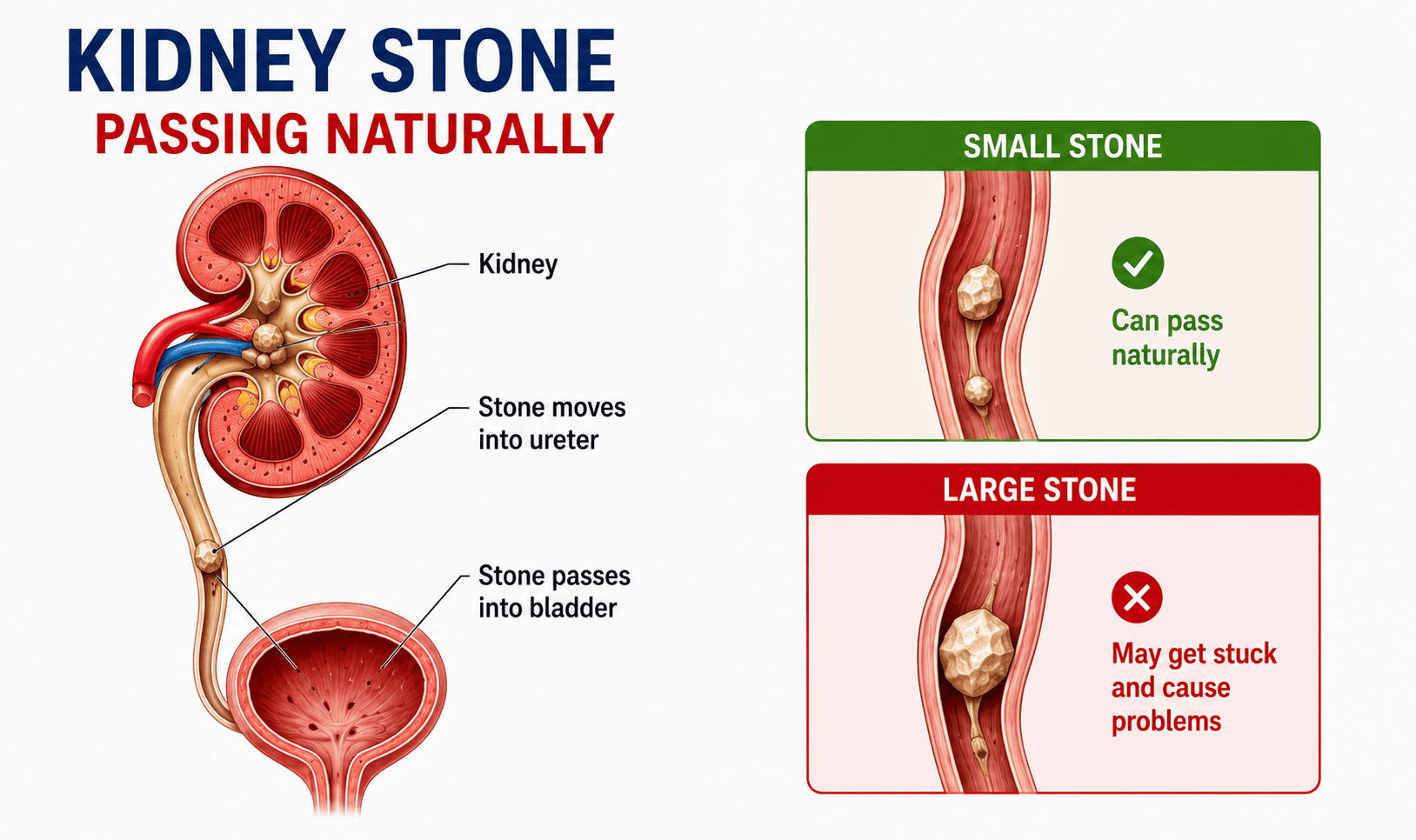
Small kidney stones might be handled with things, like drinking water managing the pain taking medicines that a doctor gives and checking in with the doctor regularly. People should not think that every kidney stone will always pass by itself. A kidney stone can sometimes get stuck in the ureter stop the flow of urine or cause a kidney stone infection. So getting help from a doctor is important when signs show that someone has a kidney stone.
Non-Surgical Kidney Stone Treatment Options
Hydration and Medical Observation
For people who have stones that are not causing a lot of problems doctors might say to just watch and make sure they drink enough water. Drinking water is important because it helps the urine keep flowing and might even help the stone pass on its own.
Drinking too much water is not a good idea for everyone especially if the stone is blocking the urine flow. People with kidney stones should do what their doctor tells them to do when it comes to drinking water. The doctor will tell them how much water is right, for them and they should follow that advice.
Medication for Kidney Stones
Medicines may be prescribed to control kidney stone pain and, in certain situations, help facilitate stone passage. The choice of medication depends on the patient's symptoms, medical history, kidney function, and other factors.
Pain management can make the stone-passing process more comfortable, but medicines should only be taken according to professional medical advice.
Medical Expulsive Therapy
In selected cases, a urologist may prescribe medication that helps relax the ureter, potentially making it easier for a suitable stone to pass. This is often known as medical expulsive therapy.
Whether this treatment is appropriate depends on the stone's characteristics and the patient's condition. A urologist can determine whether observation and medication are suitable or whether another treatment should be considered.
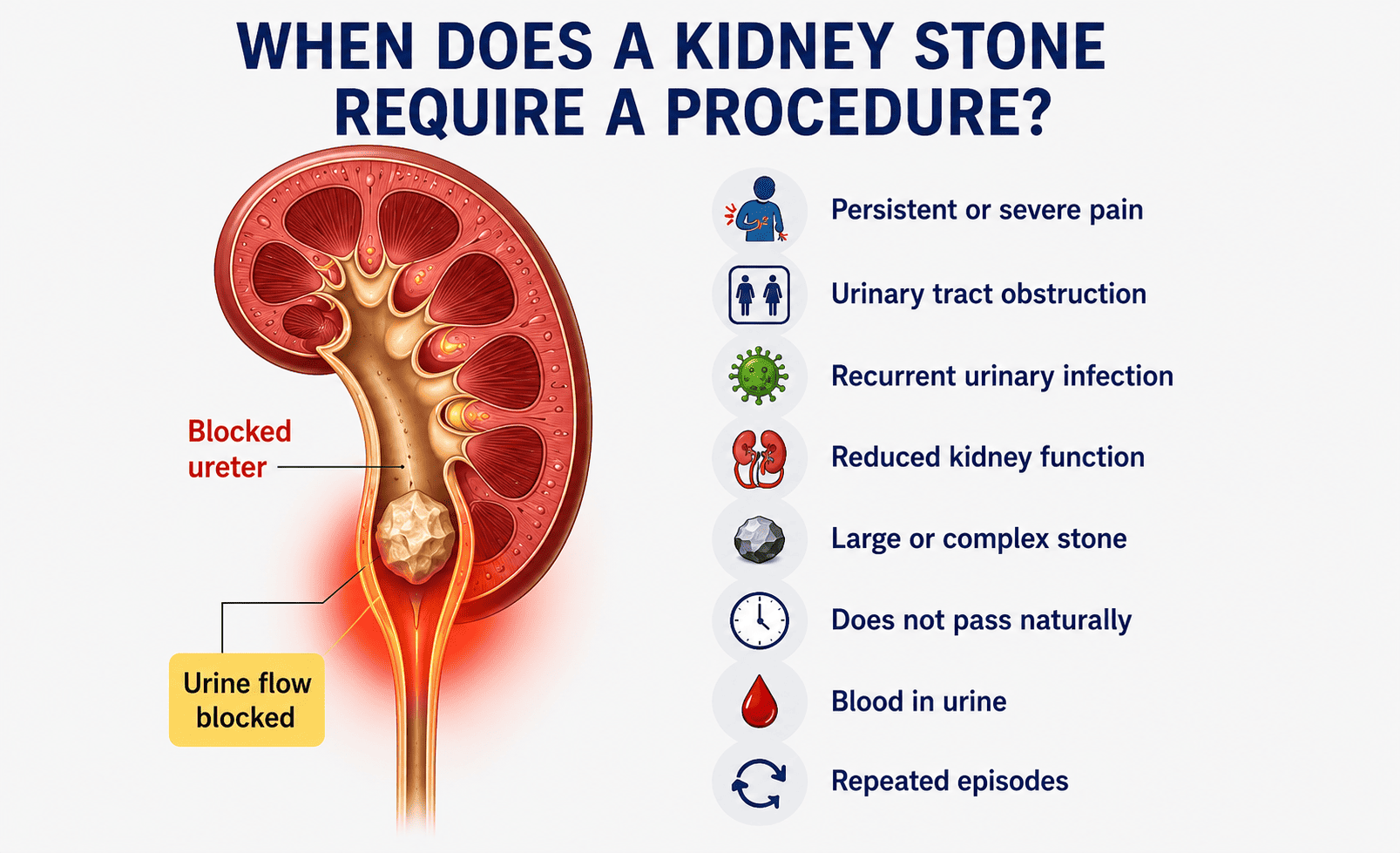
Although some stones pass naturally, others may require treatment because they are too large, obstruct urine flow, cause persistent pain, or lead to complications.
A procedure may be considered when there is:
- Persistent or severe kidney stone pain
- Urinary tract obstruction
- Recurrent urinary infection
- Reduced kidney function
- A stone that does not pass naturally
- A larger or complex kidney stone
- Persistent bleeding in the urine
- Repeated episodes of kidney stone symptoms
If a patient develops fever, chills, severe weakness, or difficulty passing urine along with kidney stone symptoms, prompt medical attention is important because an obstructed urinary system with infection can require urgent treatment.
Minimally Invasive Kidney Stone Treatment
The term "kidney stone surgery" can sometimes sound intimidating. However, modern urology offers several minimally invasive kidney stone treatment options. These procedures are designed to remove or break stones while minimizing tissue damage and recovery time compared with traditional open surgery.
Extracorporeal Shock Wave Lithotripsy (ESWL)
ESWL for kidney stones uses focused shock waves from outside the body to break a stone into pieces. The smaller pieces can then move through the tract.
ESWL might be a choice for certain stones based on their size, where they are located what they are made of and the patients body structure. A urologist can decide if this treatment is, after looking at the stone.
Ureteroscopy and Laser Treatment
Ureteroscopy with laser stone treatment is a procedure that doctors perform often. Doctors insert a tool into the body through the urethra, which is the normal way we urinate. This tool travels all the way to the kidney stone that is causing problems.
Then a laser is used to break the kidney stone into pieces. These small pieces of the kidney stone are either removed by the doctor. They come out of the body by themselves when we urinate.
Doctors consider using ureteroscopy with laser stone treatment for people who have kidney stones and ureteral stones. They select the kidney stones and ureteral stones that're suitable for this treatment. Ureteroscopy with laser stone treatment is an option, for some people who have kidney stones and ureteral stones.
Percutaneous Nephrolithotomy (PCNL)
For larger or complex kidney stones, Percutaneous Nephrolithotomy (PCNL) may be recommended. In this procedure, a small access tract is created through the skin to reach the kidney and remove the stone.
PCNL can be particularly useful for larger stone burdens where other treatment options may not provide adequate stone clearance.
How Does a Doctor Choose the Right Treatment?
There is no single best kidney stone treatment for every patient. A urologist considers several factors before recommending a treatment plan.
These may include:
- Size of the stone
- Location of the stone
- Number of stones
- Stone composition
- Degree of urinary obstruction
- Kidney function
- Presence of infection
- Severity of symptoms
- Previous history of kidney stones
- Patient's overall health
When you have kidney stones the doctor may want you to get some tests done like an ultrasound or X-rays or a CT scan. These tests help the doctor understand how big the kidney stone is and where it is.
This is why people looking for Kidney Stone Treatment in Ahmedabad should not choose a treatment just because they read about it online. The doctor needs to see the patient and do an evaluation to figure out what is the best way to treat the kidney stone. The doctor will decide if the patient needs to take it easy, take some medicine, get ESWL, get laser treatment or get some other kind of treatment, for the kidney stone.
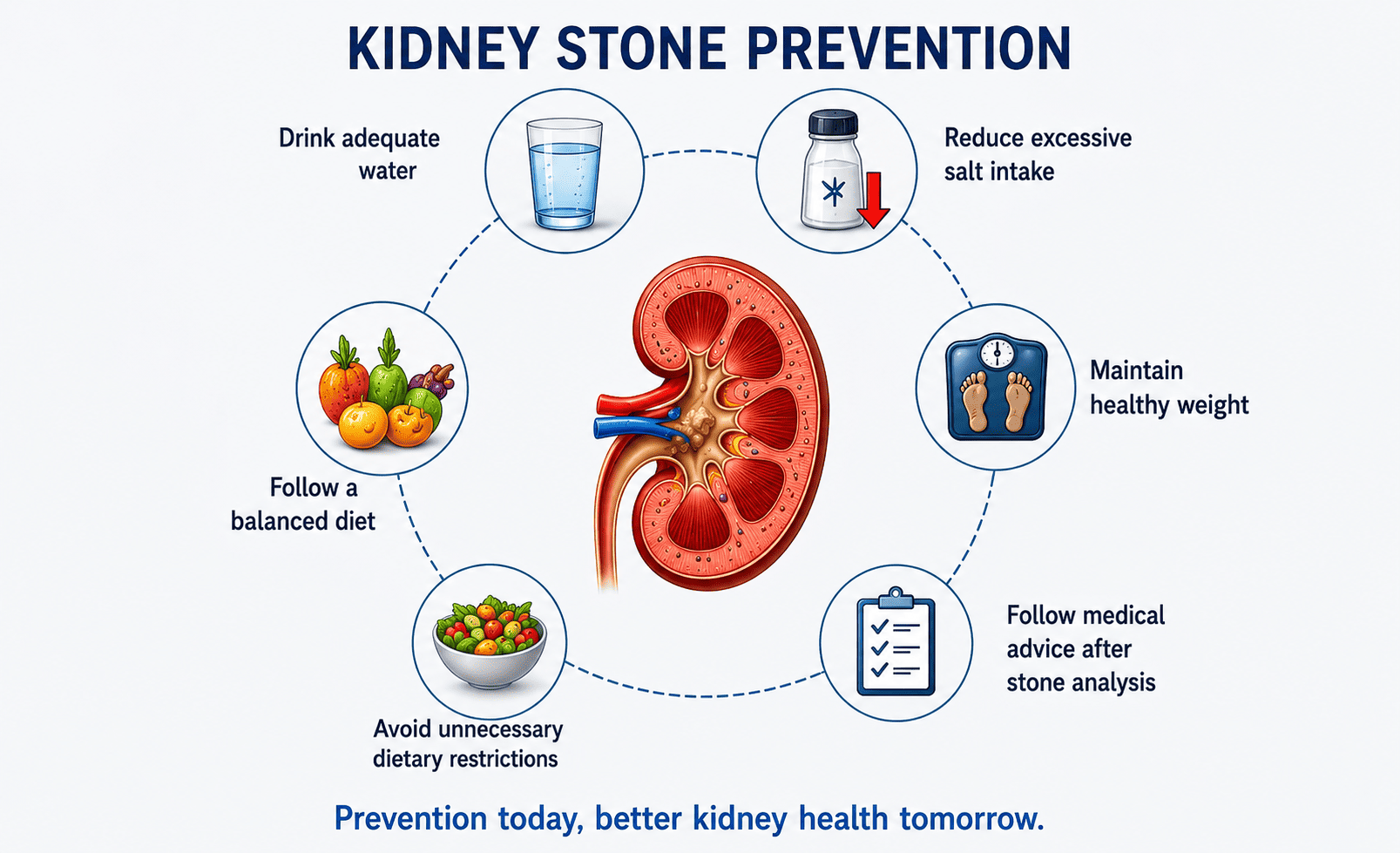
Treatment of an existing stone is only one part of kidney stone management. Prevention is also important because kidney stones can recur.
Depending on the type of stone and individual risk factors, preventive measures may include:
- Drinking adequate water throughout the day
- Reducing excessive salt consumption
- Following a balanced diet
- Maintaining a healthy body weight
- Avoiding unnecessary dietary restrictions
- Following medical advice after stone analysis
- Managing conditions that increase the risk of stone formation
Patients who experience kidney stones repeatedly may require further evaluation to identify possible causes and develop a personalized prevention plan.
Why Consult Dr. Vineet Ajitsaria?
You are in Ahmedabad. You need to find kidney stone treatment. The doctor has to check you. Dr. Vineet Ajitsaria will look at your symptoms and test results to see what is going on with your kidney stone. He will check if the kidney stone will come out by itself or if you need treatment for the kidney stone.
You should go see Doctor Vineet Ajitsaria soon as you can. He needs to check if there are any problems like a blockage or an infection with your kidney stone. If you do not go see the doctor about your kidney stone it can become a problem.. If you get help from Dr. Vineet Ajitsaria early it might be easier to deal with your kidney stone treatment in Ahmedabad. Dr. Vineet Ajitsaria can help you with your kidney stone treatment.
Conclusion
Kidney stones do not always need surgery. Small simple stones can sometimes pass on their own with the medical care staying well hydrated, managing pain and being watched closely. When treatment is needed there are choices like ESWL, ureteroscopy, laser kidney stone treatment and PCNL that offer less invasive options for the right people.
The best treatment depends on things like the size of the stone, where it's the symptoms any blockage in the urine and how healthy the kidneys are. If you are feeling symptoms or have been told you have a kidney stone talking to Dr. Vineet Ajitsaria can help you learn about your choices.
For people looking for Kidney Stone Treatment in Ahmedabad getting checked quickly. Getting advice that is just, for them is an important part of getting the right treatment and stopping more stones from forming.

Dr. Vineet Ajitsaria
Dr. Vineet Ajitsaria is a renowned Consultant Urologist and Andrologist with more than 10 years of clinical experience. He completed his medical education at the prestigious B. J. Medical College and Civil Hospital, Ahmedabad. His areas of expertise include the evaluation and treatment of complex urological conditions, endourological procedures, reconstructive and laparoscopic urology, and urological cancers.